$100 Oil: Why This Could Trigger the Next Equity Correction (Lessons from 2008 and Beyond)

Latest news
-
Ima Short - March 9, 2026
-

-
 Pen Smith - March 5, 2026
Big Tech Signs Trump’s Pledge To Limit AI Energy Costs, But Will It Work?
-
-

-

WSM Casino- Green

WSM Casino – Dark

It’s 2008 again, always has been…
Alright, sit down, shut up and strap on because I’m about to give you an economics lesson you’ll never forget.
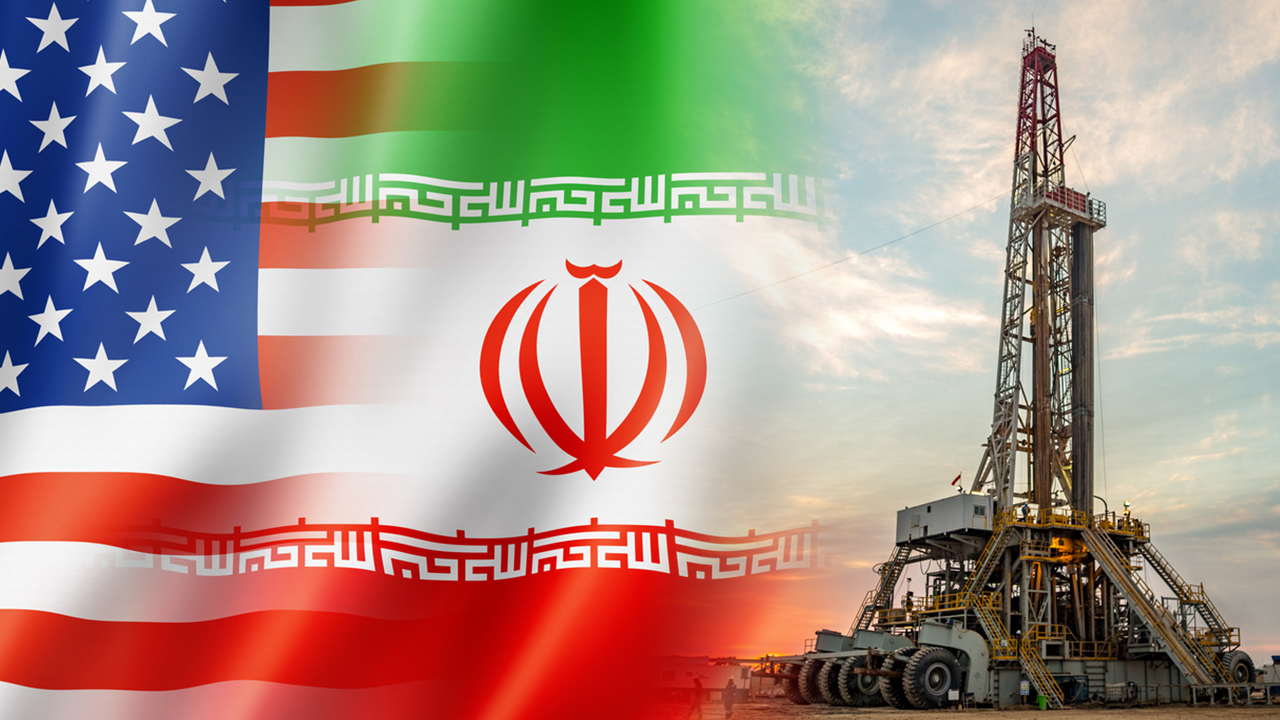
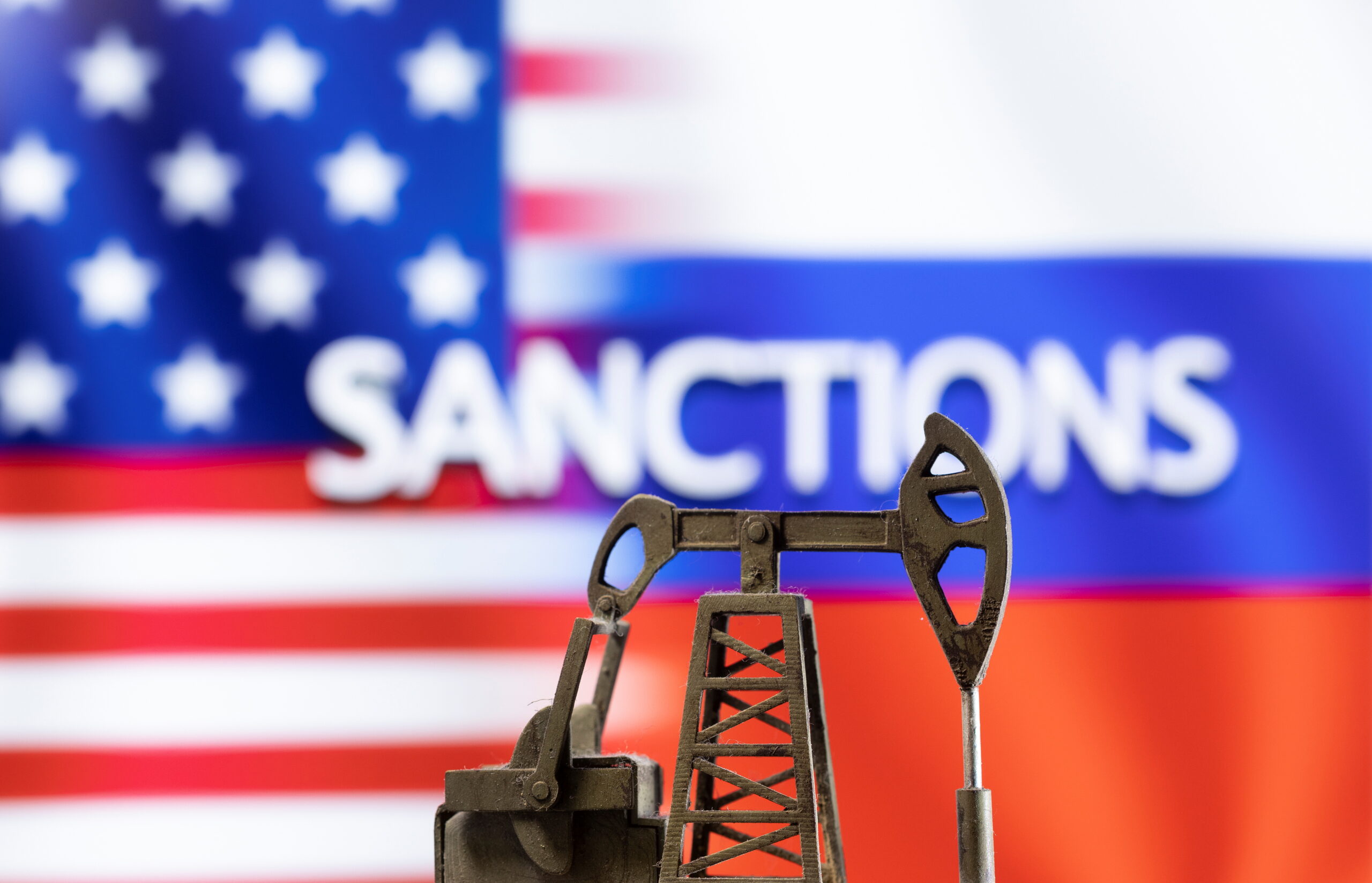
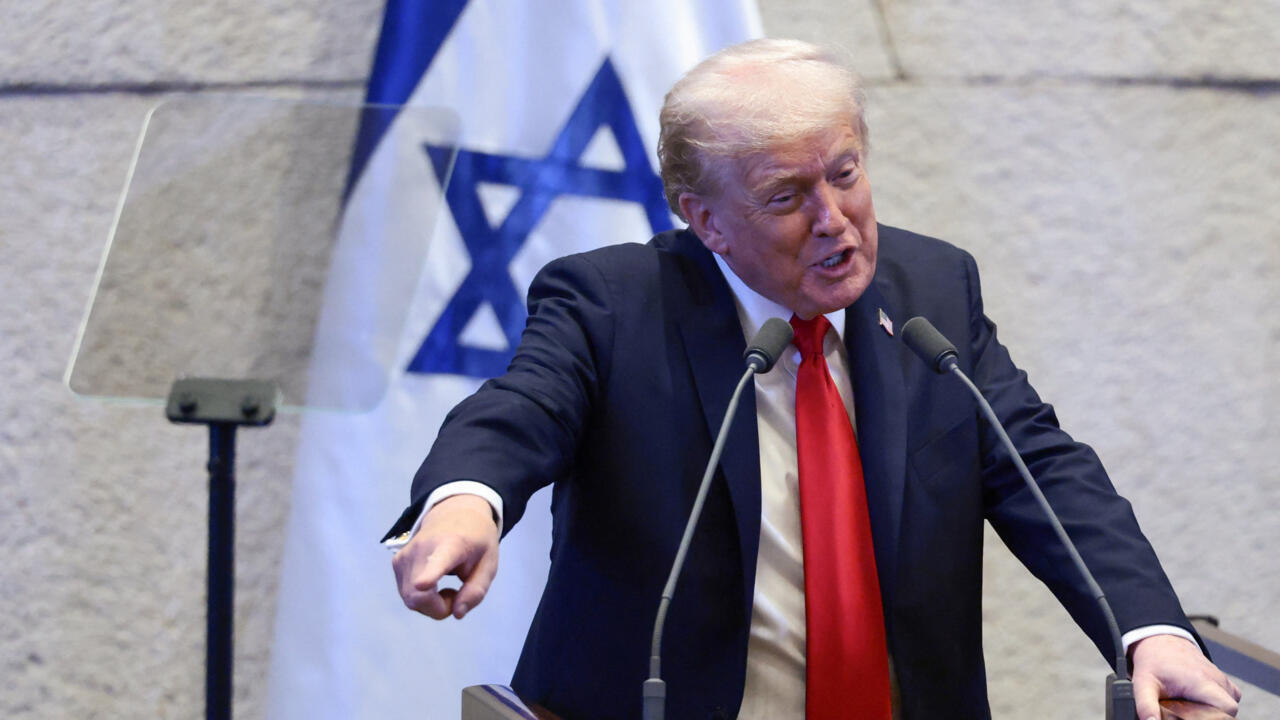
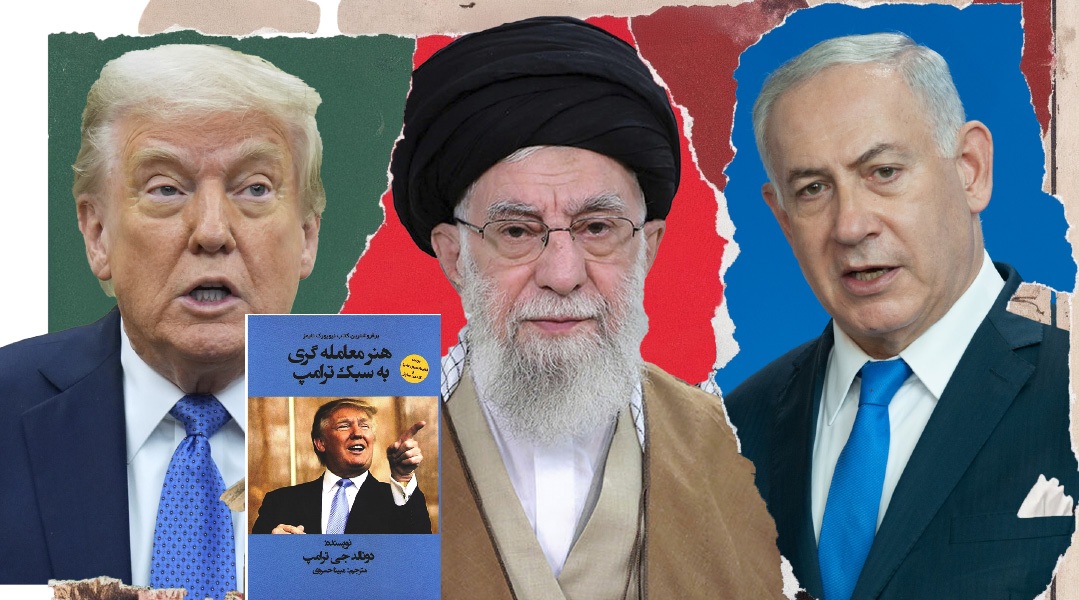
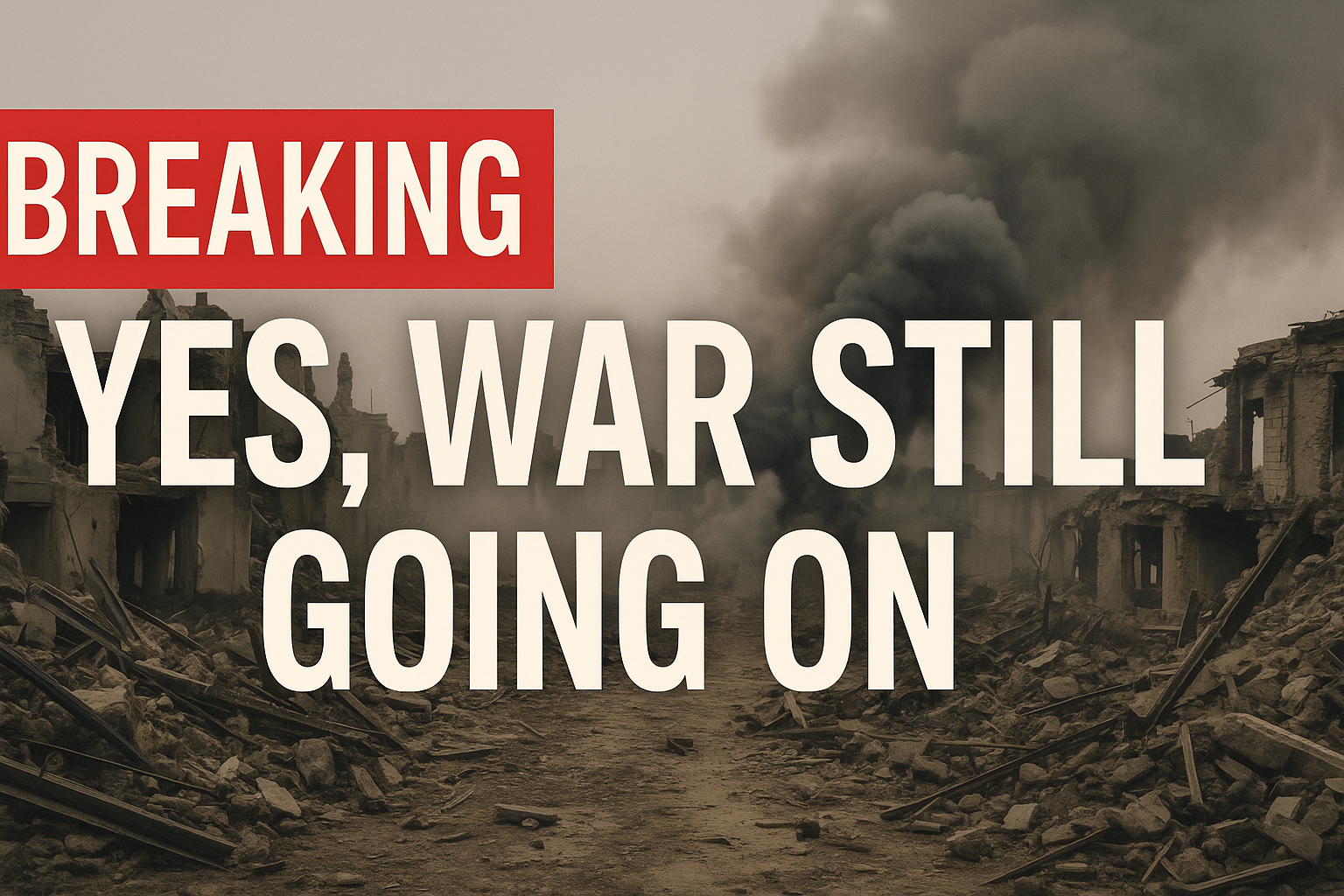
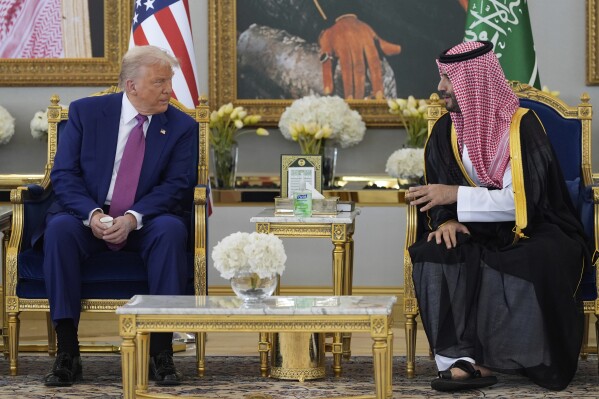
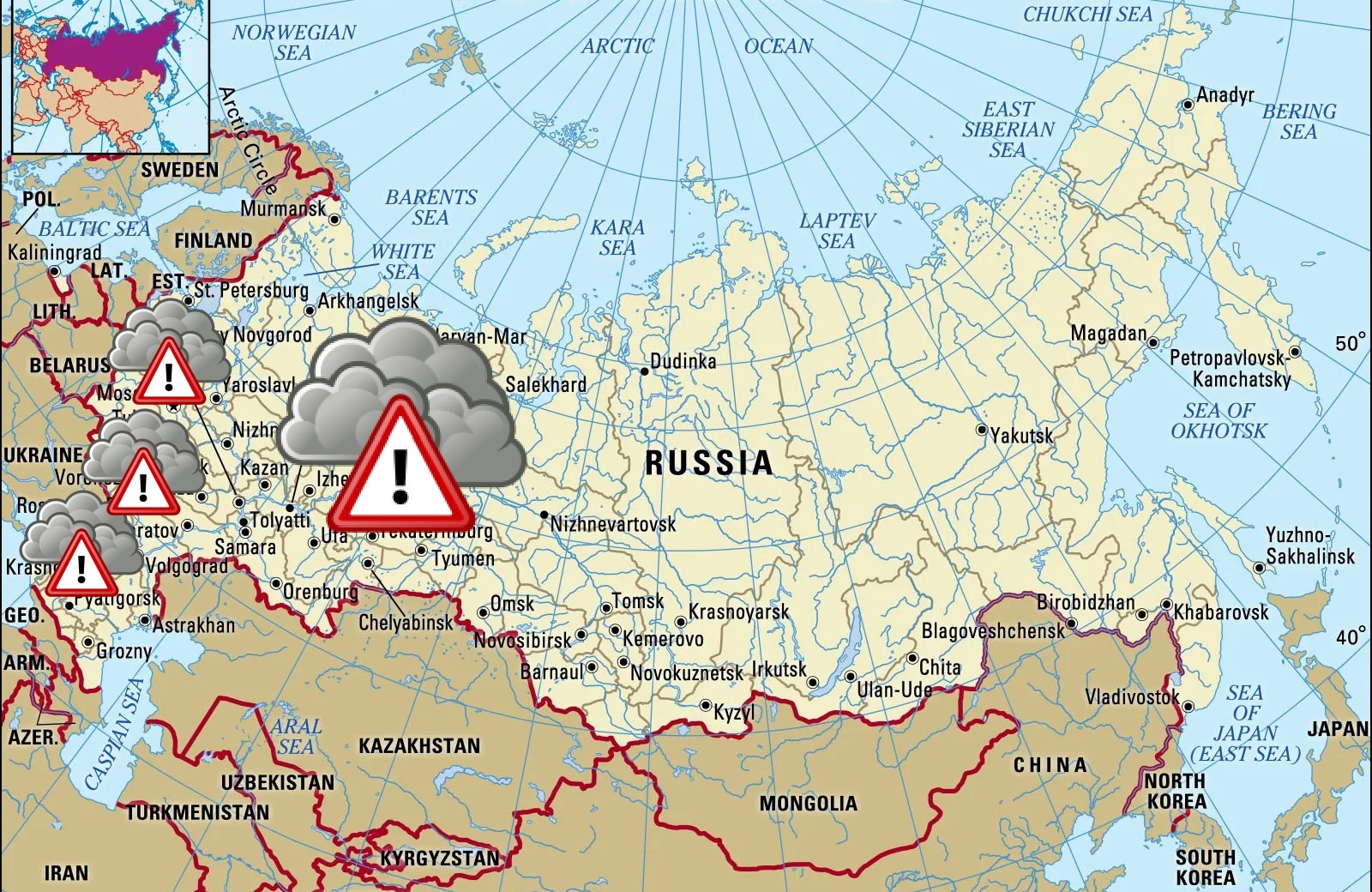
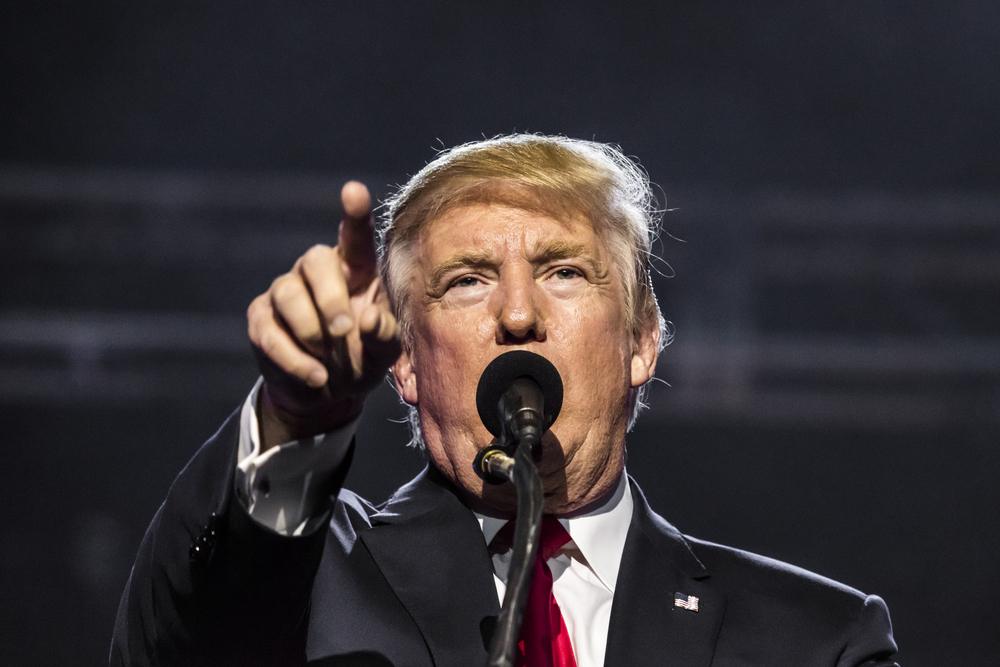
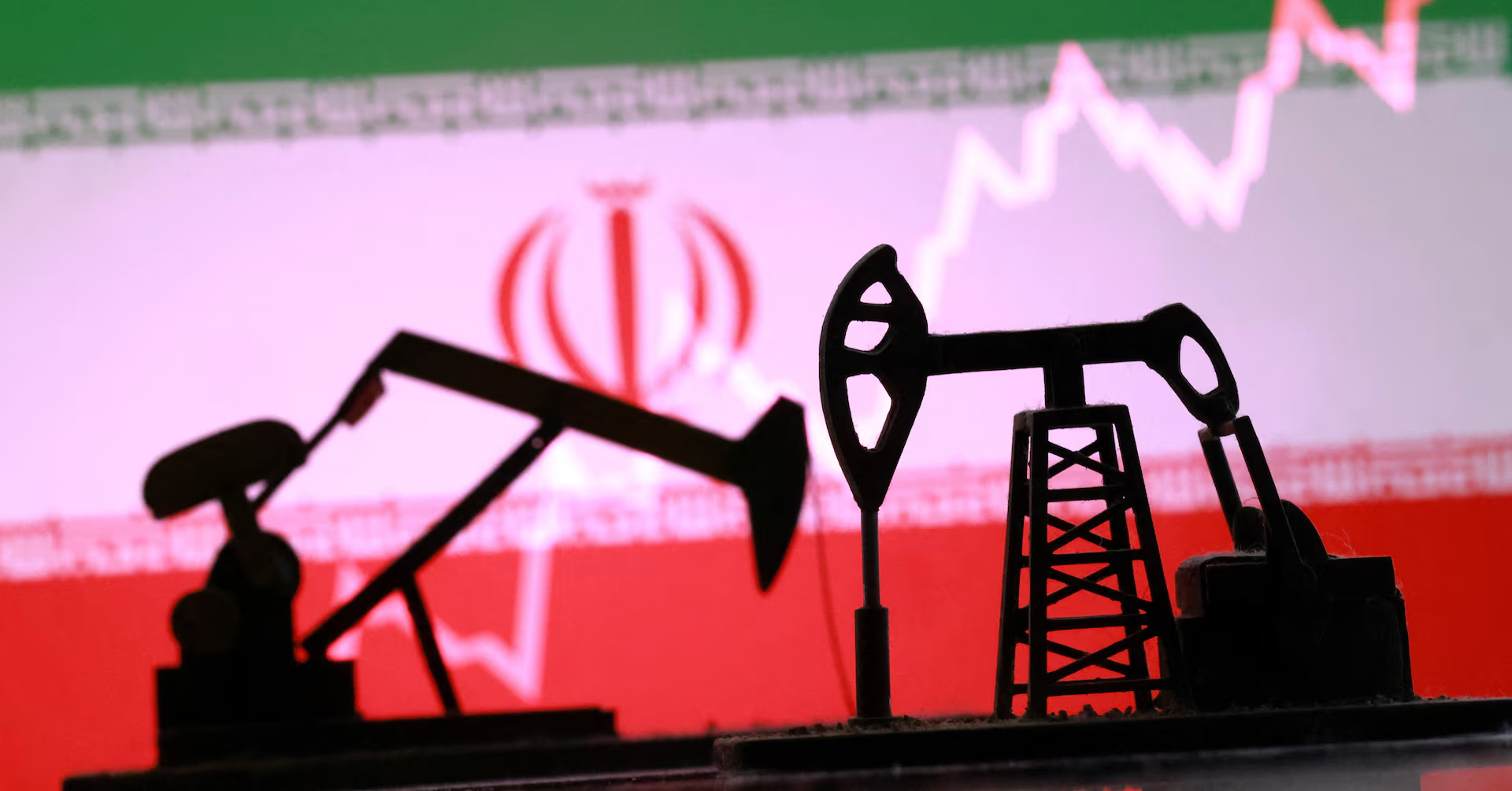
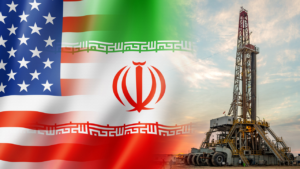
It’s 2026. Trump just bombed Iran, sparking a regional war, blocking the Strait of Hormuz and sending oil prices soaring to above $100 a barrel with no signs of slowing down.
It’s 2008. Oil prices are sitting steady at around $50-$70/bbl (Brazilian but lift) when BOOM. July 2008. Prices rocket to $147 per Brazilian butt lift. …Sound familiar?
So why did this happen twice and what can we learn so this doesn’t happen a third time? Well, strap on, because I’m about to give you… wait, I already said that.
It’s all basic economics, mate. There are innumerable factors that economists still debate to this day, but in just one word: the-‘08-oil-spike-was-due-to-strong-demand-and-a-stagnant-supply. China and India were booming, but the world just didn’t have the oil that they needed.
Combine this with geopolitical panic and you’ve got a recipe for what very much looks like 2026. You had a pipeline explosion in Nigeria, North Korean missile tests, hurricane Kartina and just two years before, Israel v Lebanon plus Iran nuclear fears.
Historically these kinds of political crises stoke fears of war and supply chain collapse which encourages stockpiling which leads to price hikes. Then when war happens and the supply chain does collapse, oil becomes more scarce and the prices go up regardless.
And in case you thought this was just about oil, think again because oil is everything. In 2008 for example, rising oil prices meant that energy costs went up, delivered goods became more expensive due to higher fuel costs and consumers were pushed into spending less.
And less consumer spending means what? That’s right: a recession.
So yes, the Iran war and rising oil prices is a recession indicator, like everything else going on at the moment. And what goes up must come down. Just like in 2008, that massive oil peak suddenly dipped causing all sorts of problems and we very well may see the same.
This is what we call a market correction, or equity correction: a 10% (or higher) drop in a stock index’s value. To some extent, a drop like that can be eaten, but when it drops any lower, say 20%, that’s when we’re in bear market territory and things get a lot more dicey.
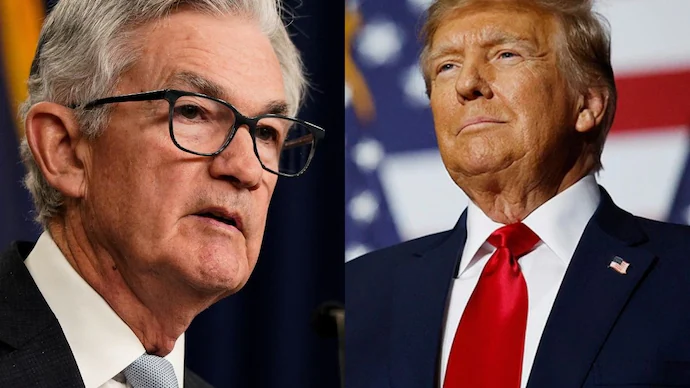
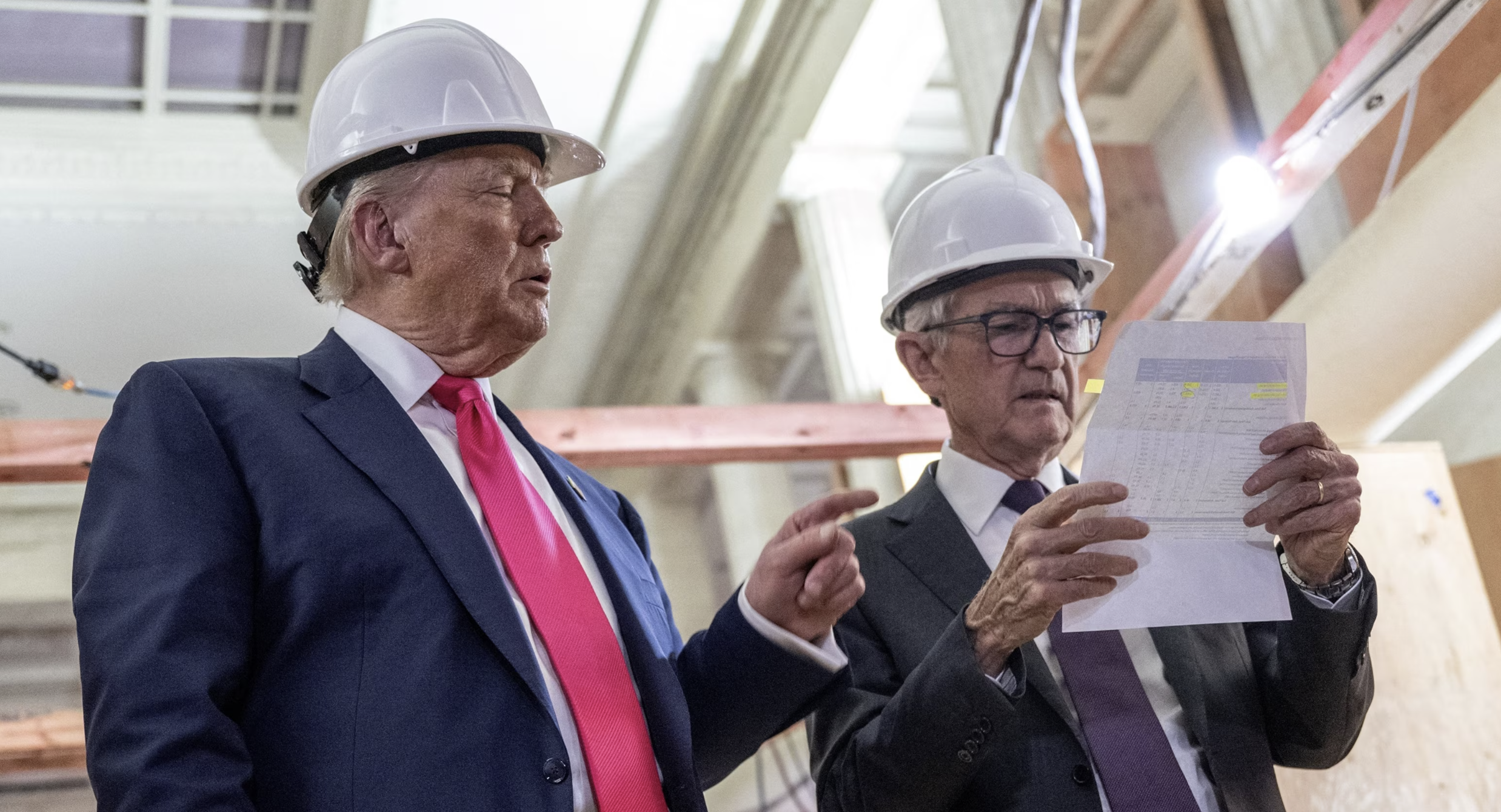
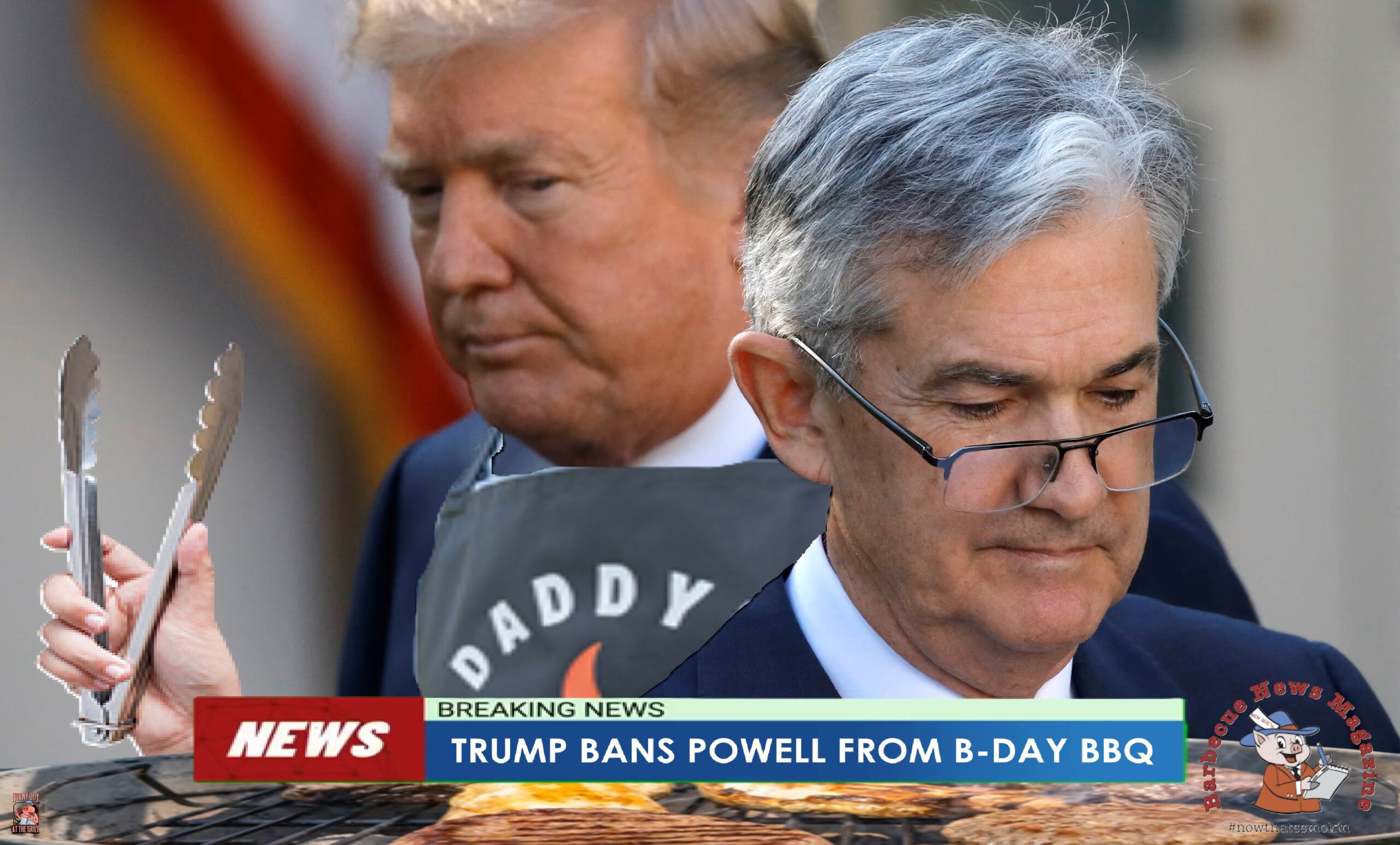
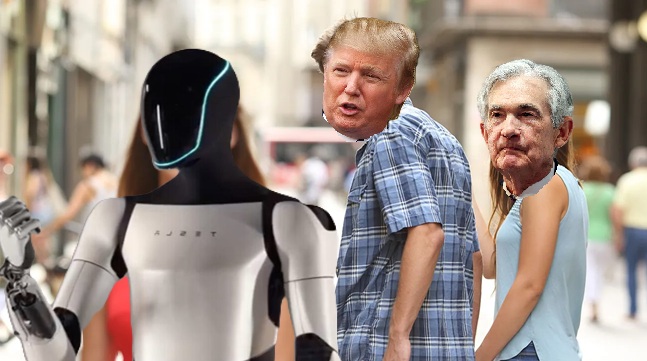
So what can we do? Well, unless you’re Donald Trump, Jerome Powell or Jesus Christ himself, not freaking much because we are all at the whims of the laws of economics, buffeted about by the ocean of history.
But at least this time we can look back on 2008 and see what’s coming. Iran and oil costs are steering us into a massive economic storm, no doubt about it. All you can do is tie down anything not bolted to the floor and open your umbrella.
Related Articles

Latest news
-
Ima Short - March 9, 2026
$100 Oil: Why This Could Trigger the Next Equity Correction (Lessons from 2008 and Beyond)
-
-
Pen Smith - March 5, 2026
Big Tech Signs Trump’s Pledge To Limit AI Energy Costs, But Will It Work?
-
-
-