In a Triumph of Bidenomics, US Deficit Nears $1.7 Trillion


Latest news
-
 Bill Fold - June 15, 2026
 -

-
 Ima Short - June 14, 2026
Pokemon Go Trained An AI That Could Drive Military Drones
-
 Pen Smith - June 13, 2026
UK Prime Minister Tells Apple And Google To Scan Everyone’s Phones: Hide Your Screen Time
-
 Marge Incall - June 12, 2026
Retail Investors Are Dumping Nvidia & AI Stocks As Elon Selflessly Allows Us To Buy SpaceX
-

WSM Casino – Dark

WSM Casino- Green

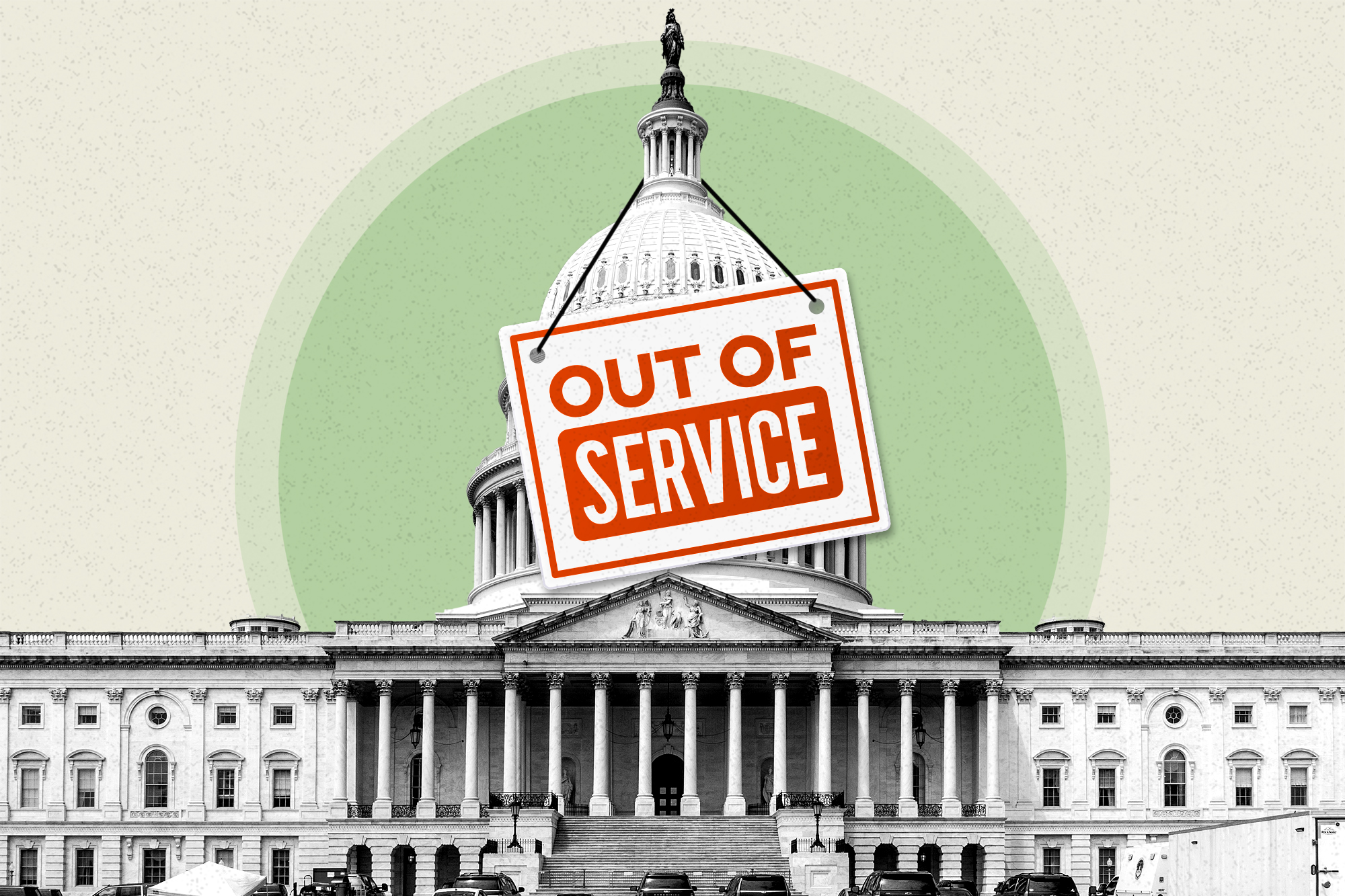
In an astonishing display of economic acumen, the United States, under the infallible guidance of Bidenomics, has successfully bolstered its national debt to a near staggering $1.7 trillion, marking a fiscal year that historians might one day refer to as “The Great Accrual.”
Sources report that White House staffers, in a burst of innovative problem-solving, have been seen digging through the cushions of sofas, desperately seeking any spare change to contribute to the national coffers. “We were hoping for loose dollars, maybe a forgotten Lincoln or two,” one anonymous staffer shared, a sense of disappointment palpable in their voice as they held up a bag of inexplicably found substances. “But all we’ve found so far is some dusty cocaine. We’re holding onto it for… uh, evidence. Yes, evidence.”
Meanwhile, the Federal Reserve has taken a more traditional approach, revving up the money printers and preparing for a fresh batch of crisp, newly minted bills. “Who needs a budget when you have an endless supply of paper and ink?” commented a Fed insider, the sound of printers whirring like music in the background. “It’s eco-friendly too; we’re recycling the economic plans from the 1920s.”
In international affairs, President Zelensky has reportedly been leaving voicemail after voicemail, puzzled why his once-frequent calls with President Biden have suddenly gone unanswered. Sources suggest the new, trendy war in Gaza has taken precedence, with funding whimsically redirected in a display of geopolitical ‘hot potato’ budgeting.
The fiscal year did indeed close with a flourish, the deficit hitting a high note at $1.695 trillion, a figure achieved through meticulous planning, such as a casual $457 billion drop in revenue and a modest cut in expenses by $137 billion – because who needs revenue when debt is the new black?
As the national debt hovers around a cool $33.6 trillion, up $10 trillion since the pre-COVID days, nostalgia for the pandemic’s simpler times is palpable. “Remember the good old days when we only had a health crisis?” mused a Treasury official while signing a $659 billion check for the interest payment on the debt.
Treasury Secretary Janet Yellen, reaffirmed the administration’s iron-clad commitment to, eventually, consider possibly thinking about addressing the long-term fiscal challenges. “We have strategies,” she announced, waving a colorful array of pie charts and bar graphs, “and we expect they might reduce the deficit, theoretically, at some point over the next decade.”.
All this economic pageantry has coincided with President Biden’s humble request for just a smidge more funding – $105 billion, give or take – for humanitarian aid amidst the latest Middle Eastern conflict.
As staffers continue their sofa excavations and the money printers hum in harmonious symphony, the nation waits with bated breath to witness which economic marvel Bidenomics will unveil next.
Related Articles



Latest news
-
Bill Fold - June 15, 2026
Trump, Iran Just Announced A Massive Middle East Peace Deal (Hopefully For The Last Time)
-
-
Ima Short - June 14, 2026
Pokemon Go Trained An AI That Could Drive Military Drones
-
Pen Smith - June 13, 2026
UK Prime Minister Tells Apple And Google To Scan Everyone’s Phones: Hide Your Screen Time
-
Marge Incall - June 12, 2026
Retail Investors Are Dumping Nvidia & AI Stocks As Elon Selflessly Allows Us To Buy SpaceX
-